
BIG LOVE Project
An Innovative Approach to Addressing Human-Elephant Conflict in Sri Lanka
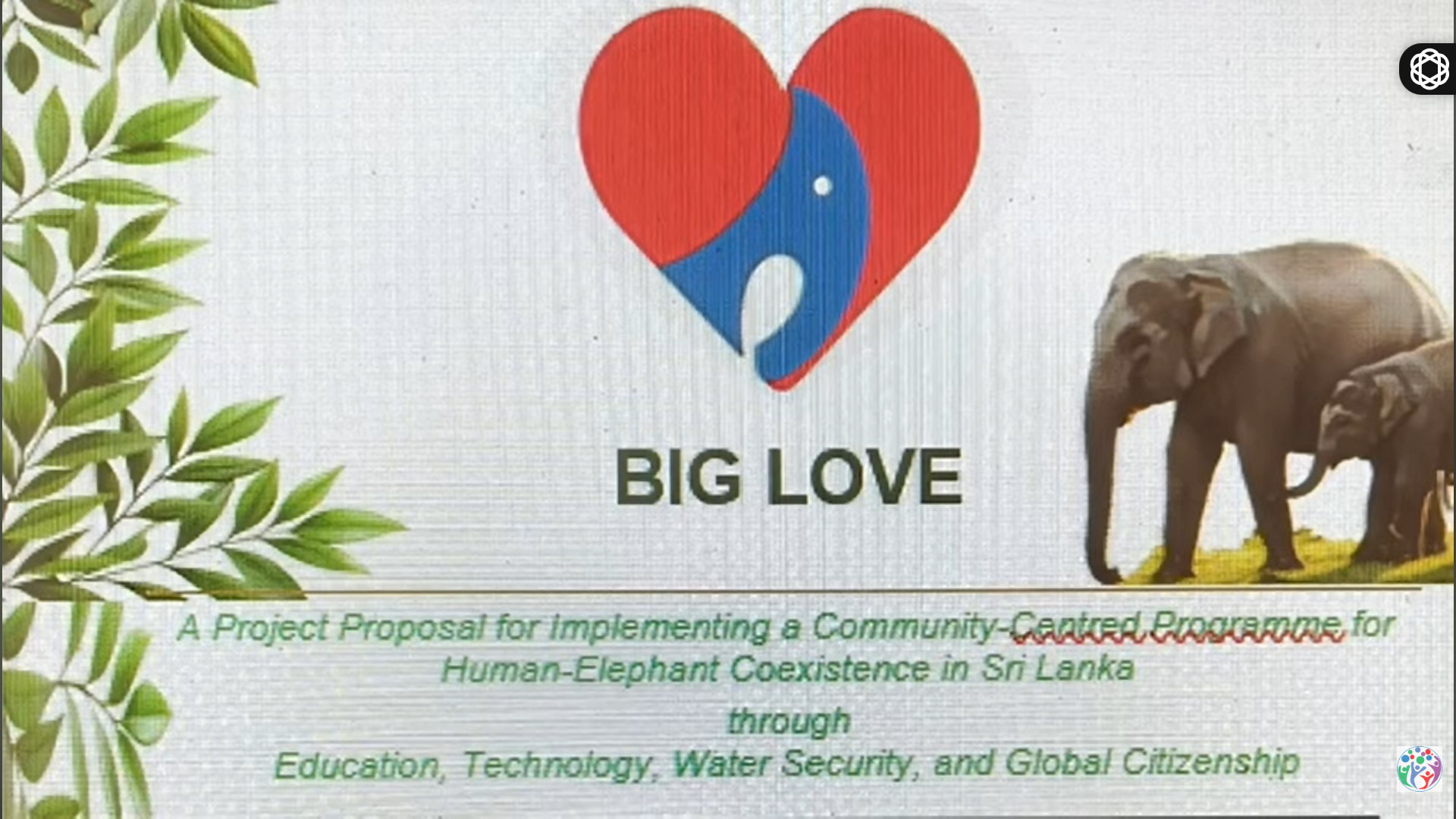
The New School of Training (NST), in collaboration with the Movement for Protection of Indigenous Seeds (MONLAR) and Farm Processors Limited, is taking significant steps to address one of Sri Lanka's most pressing environmental and social challenges by launching the BIG LOVE Project.
The initiative represents an innovative and integrated response to the growing human-elephant conflict (HEC) in Sri Lanka, combining the principles of Global Citizenship Education (GCED), technology-driven solutions, and ecological sustainability to create long-term, community-centered outcomes.
From Global Learning to Local Action
The BIG LOVE Project emerged as an outcome of the Be Global Initiative, which was developed under the mentorship framework of the Asia-Pacific Centre of Education for International Understanding (APCEIU). Through this process, participants were encouraged to transform global challenges into locally relevant actions, applying the values of global citizenship, social responsibility, and sustainable development.
Recognizing the increasing impact of human-elephant conflict on rural livelihoods, biodiversity, and community wellbeing, the project team identified the need for a holistic intervention that moves beyond conventional mitigation approaches. The result was the conceptualization of BIG LOVE—an initiative designed to foster coexistence between people and elephants while strengthening community resilience.
Building Evidence Through Pilot Activities
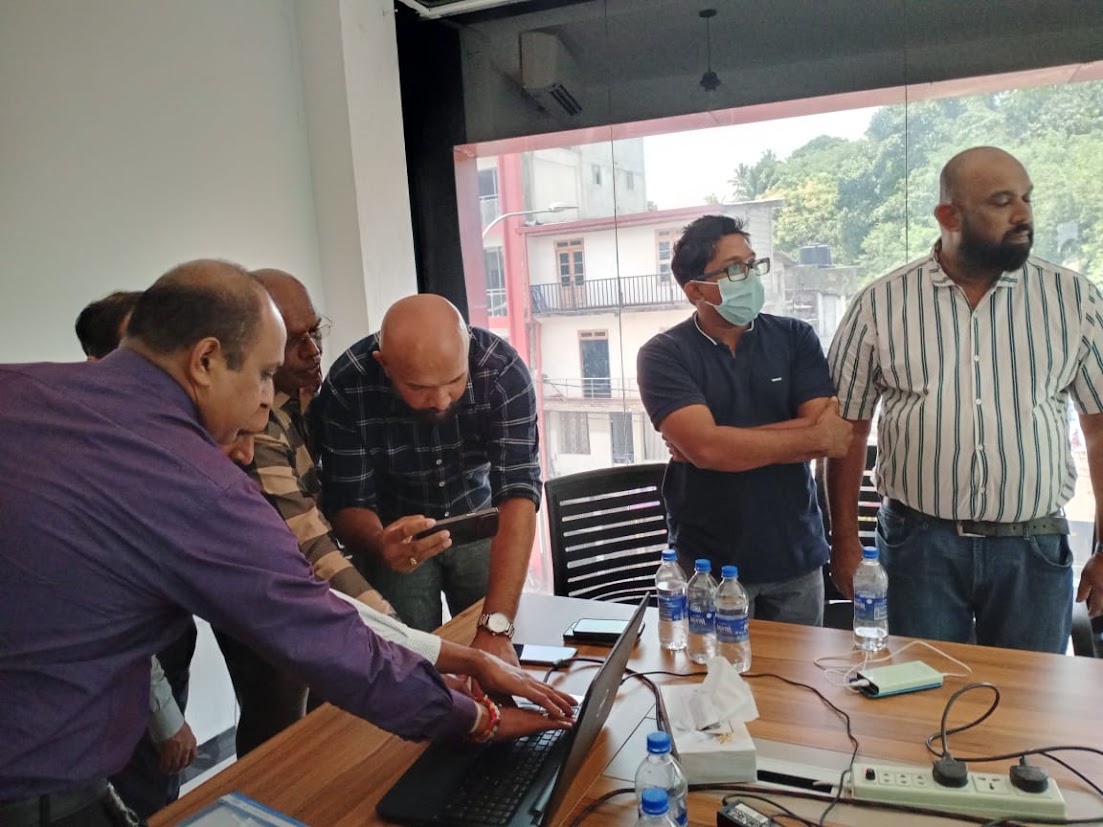
Over the past several months, the project team has undertaken a series of preliminary activities to assess the viability and relevance of the proposed intervention model. These early-stage efforts focused on stakeholder engagement, field observations, partnership development, and the exploration of technology-based and ecological solutions that could contribute to reducing conflict while promoting sustainable land-use practices.
The findings from these initial engagements provided encouraging evidence regarding the feasibility of implementing an integrated approach that addresses both environmental and socio-economic dimensions of the challenge.
Strategic Partnerships for Collective Impact
The successful progression of the BIG LOVE Project has been made possible through the collaboration of multiple stakeholders committed to sustainable development and environmental conservation.
The New School of Training has joined forces with the Movement for Protection of Indigenous Seeds and Farm Processors Limited to establish a strong partnership platform that combines expertise in education, community mobilization, sustainable agriculture, and local development. Together, the partners aim to create innovative solutions that empower communities while protecting wildlife and ecological systems.
This collaborative framework reflects the project's core belief that complex development challenges require collective action and cross-sector partnerships.
Launching in Vilachchiya
The project is preparing to commence its field operations in Vilachchiya, an area that continues to experience significant impacts from human-elephant conflict. The region has been selected due to the severity of the issue and the urgent need for sustainable interventions that can support affected communities.
Through the implementation of BIG LOVE, the project seeks to introduce context-specific solutions that integrate community participation, environmental stewardship, and innovative technologies. The initiative also aims to strengthen awareness and foster a culture of coexistence by embedding the values of global citizenship and shared responsibility within local development efforts.
Looking Ahead
As preparations continue toward the official launch, the BIG LOVE Project represents a promising model for addressing human-elephant conflict through an interdisciplinary and development-oriented approach. By bringing together education, technology, ecological knowledge, and community engagement, the initiative aspires to contribute not only to conflict mitigation but also to broader goals of sustainable development, biodiversity conservation, and social cohesion.
The project team remains committed to documenting lessons learned, strengthening partnerships, and ensuring that local communities remain at the center of the intervention process.
The accompanying video highlights the journey of the BIG LOVE Project thus far and provides insights into the progress made in transforming an innovative concept into a practical initiative with the potential to create lasting positive impact in Sri Lanka.